
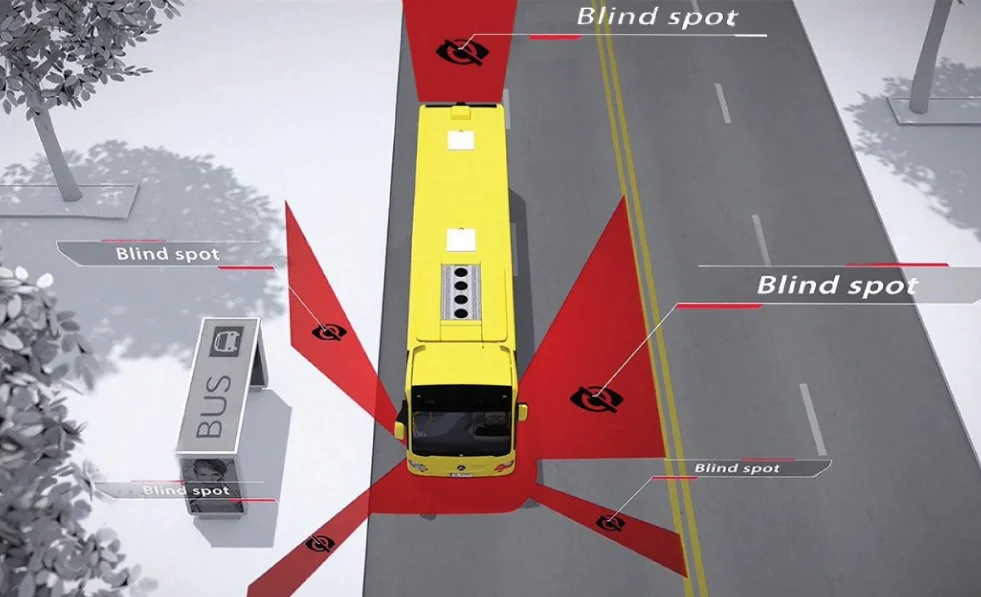
Reversing a vehicle might seem like a simple everyday task, but it can become surprisingly dangerous when visibility is limited. Whether you're backing a family car out of a driveway, manoeuvring a delivery van through a busy loading area or reversing a heavy truck on a worksite, there's always the possibility of something entering your blind spot.
Traditional reversing cameras have made a real difference to vehicle safety by giving drivers a clearer view of what's behind them. However, they still have one important limitation: the driver must notice and correctly interpret everything displayed on the screen.
That's where an AI reversing camera offers a significant advantage.
By combining camera technology with artificial intelligence and object detection, these intelligent systems can help identify potential hazards and alert drivers before an incident occurs.
For Australian businesses operating commercial vehicles, as well as everyday motorists, AI-powered reversing technology represents another step towards safer driving and improved situational awareness.
What Is an AI Reversing Camera?
An AI reversing camera is an advanced vehicle camera system that uses artificial intelligence to analyse images and recognise certain objects around a vehicle.
Unlike a conventional reversing camera, which simply displays live footage, an AI-powered system processes visual information to help identify potential hazards.
Depending on the system's capabilities, these hazards may include:
Pedestrians walking behind a vehicle
Cyclists entering a reversing area
Other vehicles approaching or parked nearby
Supported targets within the selected camera’s configured detection zones
People working around trucks, machinery or commercial vehicles
When the system detects a recognised object, it may provide a visual warning, an audible alert or both.
The idea is straightforward: instead of relying entirely on the driver to spot a hazard on a monitor, the technology provides an additional layer of awareness.
It's important to understand that an AI reversing camera is a driver-assistance tool, not a replacement for careful driving, mirrors, direct observation or established reversing procedures.
How Does AI Object Detection Work?
The technology behind an AI reversing camera sounds complicated, but its basic operation is relatively easy to understand.
The system uses a camera to capture live images of the area behind the vehicle. Artificial intelligence software then analyses those images, looking for visual patterns associated with objects it has been trained to recognise.
1. Capturing the Surrounding Environment
The camera captures live visual information within its field of view. AI analysis of these images is separate from recording footage for later review. A standalone AI camera requires a suitably equipped recording system to save footage. Both PARKSAFE AI 360° AVM versions support onboard recording storage. The Local version provides onboard viewing and recording, while the 4G version adds remote monitoring and cloud-storage support through a compatible platform, subject to suitable mobile connectivity and service arrangements. Optional radar and extended driver-monitoring or driver-assistance functions should be confirmed for the supplied configuration.
Depending on the installation, the camera may be positioned at the rear of a car, van, truck, bus or specialised vehicle.
Camera placement is important because it influences how much of the surrounding area the system can monitor. For applications requiring coverage around the vehicle, PARKSAFE also offers separate AI 360° AVM systems. These combine four cameras into a stitched surround view on a 10.1-inch monitor, helping drivers see around the vehicle during reversing, turning and other manoeuvres. This surround-view capability belongs to the AVM systems and should not be assumed for a single rear-view AI camera.
2. Identifying Objects Using AI
The captured images are processed by an AI model trained to distinguish between different object categories.
For example, the system may recognise the shape and visual characteristics of a person standing behind a truck or a cyclist moving through a loading area.
The exact detection capabilities depend on the camera hardware, AI model and system configuration. PARKSAFE rear-view AI cameras offer pedestrian detection, with other supported targets depending on the selected model. The PARKSAFE 4G AI 360° AVM system specifically supports real-time pedestrian and vehicle detection with voice alerts; the Local AVM version also supports AI target recognition. These functions do not mean that every obstacle will be detected.
3. Assessing Potential Hazards
Once an object is identified, the system can use its programmed detection zones or other available information to determine whether an alert should be triggered.
Some systems can highlight detected objects directly on the monitor. Others may activate an audible warning when a person or another recognised hazard enters a designated area.
Not every AI camera measures distance or predicts collisions. Those functions depend on the specific technology and whether additional sensors are incorporated.
4. Alerting the Driver
The final step is communicating the warning to the driver.
Depending on the equipment, this might involve a highlighted detection box on the display, a warning symbol or an audible alarm.
These alerts can help draw attention to hazards that might otherwise be overlooked during a busy or demanding reversing manoeuvre.
AI Reversing Cameras vs Traditional Reversing Cameras
Conventional reversing cameras have become common across passenger and commercial vehicles. They provide a useful view of the area behind a vehicle, particularly where rear windows, bodywork or cargo restrict visibility.
However, displaying an image and interpreting that image are two different things.
A traditional reversing camera generally relies on the driver to monitor the screen and identify obstacles.
An AI reversing camera system goes further by analysing the footage and identifying certain objects automatically.
Key Differences
Feature
Traditional Reversing Camera
AI Reversing Camera
Live rear-view footage
Yes
Yes
Automatic object recognition
Generally no
Yes, for supported object types
Pedestrian detection
Driver-dependent
Available on compatible systems
Visual hazard highlighting
Usually limited
Available on some systems
Audible detection alerts
May require separate sensors
Available on some systems
Driver awareness support
Camera view
Camera view plus intelligent alerts
The biggest advantage isn't necessarily a better picture. It's the ability to draw the driver's attention to something important within that picture.
This can be particularly useful when operating larger vehicles or working in environments where people and machinery frequently move around.
Five Ways AI Reversing Cameras Can Improve Vehicle Safety
1. Helping Drivers Notice Pedestrians
Pedestrians can be difficult to see when reversing, especially around large commercial vehicles.
Someone walking behind a delivery truck or standing near a loading dock may not be visible through the vehicle's mirrors.
An AI camera with pedestrian detection can help identify people within its monitored area and provide an alert.
This additional warning may give drivers an opportunity to stop, reassess their surroundings and avoid a potentially dangerous situation.
2. Improving Awareness Around Blind Spots
Blind spots are a major concern for trucks, buses, vans and specialised commercial vehicles.
Even experienced drivers can struggle to maintain a complete picture of their surroundings, particularly when operating in confined spaces.
An AI reversing camera can support existing mirrors and safety procedures by monitoring a designated area behind the vehicle.
While it cannot eliminate every blind spot, a correctly positioned camera can help improve awareness of hazards within its coverage area.
3. Supporting Safer Commercial Vehicle Operations
Commercial vehicles often operate in demanding environments.
Think about a delivery driver reversing into a crowded loading bay, a waste collection vehicle operating in a residential street or a construction truck manoeuvring around workers.
In these situations, the driver may need to watch mirrors, check the camera monitor, communicate with nearby workers and maintain awareness of other moving vehicles.
AI-assisted detection can help reduce the chance of a recognised hazard going unnoticed.
For businesses managing multiple vehicles, this technology may form a useful part of a broader fleet safety strategy.
4. Reducing Dependence on Constant Screen Monitoring
A conventional reversing camera is only useful when the driver looks at the display and notices what's happening.
During a complex manoeuvre, attention may shift between mirrors, windows, the dashboard and the surrounding environment.
AI object detection adds another source of information by generating warnings when supported objects are identified.
This doesn't remove the driver's responsibility to check the area carefully. Instead, it provides an additional prompt that can support better-informed decisions.
5. Helping Prevent Costly Incidents
Reversing incidents can lead to more than vehicle damage.
They may involve injuries, repair expenses, operational delays, insurance claims and disruption to business activities.
By helping drivers identify potential hazards earlier, AI reversing cameras may contribute to reducing certain types of reversing incidents.
However, the level of benefit will depend on factors such as detection accuracy, installation quality, driver behaviour and the operating environment.
Businesses should view AI camera technology as one component of an effective vehicle safety program rather than a guaranteed way to prevent accidents.
Which Vehicles Can Benefit from AI Reversing Cameras?
Although intelligent reversing technology can be useful in passenger vehicles, its advantages may be especially relevant to commercial and industrial applications.
Trucks and heavy vehicles: Large vehicles often have substantial blind spots and operate in environments where pedestrians, other vehicles and equipment may be nearby.
Delivery vans and fleet vehicles: Drivers making frequent deliveries may encounter narrow driveways, loading docks, car parks and busy urban streets.
Buses and passenger transport vehicles: Additional detection capabilities can help drivers remain aware of people moving around vehicles during low-speed manoeuvres.
Construction and industrial vehicles: Worksites are dynamic environments where workers, machinery and vehicles may operate close together.
Waste collection and service vehicles: Frequent stopping and reversing can create situations where improved awareness of nearby pedestrians and obstacles is valuable.
The suitability of a particular AI reversing camera depends on the vehicle, its operating conditions and the system's technical capabilities.
What Should You Look for in an AI Reversing Camera?
Not all AI reversing cameras offer the same features or performance.
Before choosing a system, it's worth considering several practical factors.
Detection Capabilities
Check which objects the system is designed to recognise.
Some cameras focus primarily on pedestrians, while others may support vehicle or cyclist detection.
Make sure the detection capabilities match the risks associated with your vehicle's operating environment.
Camera Quality and Visibility
Image quality matters, particularly when vehicles operate in low light, rain, dust or challenging outdoor conditions.
Look at the manufacturer's specifications for resolution, field of view, operating temperature and environmental protection.
Warning Options
Consider how the system communicates with the driver.
Visual alerts may be useful when the driver is watching a monitor, while audible warnings can provide another way to attract attention.
The most suitable configuration will depend on the vehicle and working environment.
Installation and Compatibility
Camera positioning, monitor compatibility, wiring and power requirements can all affect system performance.
Professional installation may be particularly important for commercial vehicles and specialised applications.
Reliability and Limitations
Ask how the system performs under real operating conditions.
AI detection can be affected by poor lighting, obstructed lenses, weather, unusual object positions and other environmental factors.
A suitable system should have clearly documented capabilities and limitations so operators understand what it can and cannot detect.
Why AI Reversing Cameras Matter for Australian Fleet Operators
For Australian businesses, vehicle safety is about protecting people as well as maintaining efficient operations.
Fleet operators must consider the risks associated with vehicle movements, particularly where reversing occurs near pedestrians or other workers.
AI reversing cameras can provide an additional safety measure by helping drivers recognise hazards within monitored areas.
However, technology should work alongside established controls such as driver training, site traffic management, appropriate signage, safe reversing procedures and vehicle maintenance.
Under Australian work health and safety arrangements, businesses may have duties to identify and manage risks associated with vehicles and mobile plant. The specific obligations depend on the jurisdiction and workplace circumstances.
Installing an AI reversing camera does not automatically establish regulatory compliance, but suitable technology may support a broader approach to managing reversing risks.
For fleet managers, the key is choosing equipment that suits the vehicle and its real-world operating environment.
Can AI Reversing Cameras Replace Reversing Sensors?
AI reversing cameras and conventional reversing sensors serve related but different purposes.
Reversing sensors commonly use ultrasonic technology to detect nearby objects and provide distance-related warnings.
AI cameras analyse visual information and may identify particular object categories, such as people or vehicles.
Both technologies have limitations.
For example, an AI camera may not recognise every object, while a conventional reversing sensor generally cannot identify whether an obstacle is a pedestrian, another vehicle or an inanimate object.
In some applications, combining cameras and proximity sensors can provide complementary information.
The right choice depends on the vehicle's size, operating conditions, driver requirements and overall safety objectives.
The Future of Intelligent Vehicle Safety
AI object detection is part of a wider shift towards more intelligent driver-assistance technology.
As camera hardware and detection software continue to develop, manufacturers may introduce systems with improved recognition capabilities, more sophisticated warning zones and closer integration with other vehicle safety equipment.
For commercial fleets, these developments could make it easier to select safety technology suited to specific operational risks.
Even so, the most effective approach will continue to combine technology with trained drivers, sensible procedures and ongoing risk management.
AI can assist drivers, but it cannot replace sound judgement.
Explore Vehicle Safety Solutions with Burg Design
Choosing the right reversing camera involves more than selecting a screen and camera.
Vehicle type, visibility requirements, working conditions and the level of detection assistance required should all influence the decision.
At Burg Design, vehicle owners and fleet operators can explore vehicle technology and safety solutions suited to their needs. We assess each customer’s vehicle, application and operating environment before recommending a suitable PARKSAFE camera or system, and confirm the detection features, recording equipment and optional functions included.
If you're considering an AI reversing camera or looking to improve visibility around your vehicles, it's worth discussing your requirements and checking which available systems offer the detection features you need.
Visit Burg Design to explore vehicle safety technology and enquire about suitable solutions.
Frequently Asked Questions
What is an AI reversing camera?
An AI reversing camera uses artificial intelligence to analyse live camera footage and identify supported objects, such as pedestrians or vehicles. Compatible systems can provide visual or audible alerts to help improve driver awareness.
Is an AI reversing camera better than a normal reversing camera?
An AI reversing camera offers additional object-detection capabilities compared with a standard camera. However, its effectiveness depends on the system's specifications, installation and operating conditions.
Can AI reversing cameras detect pedestrians?
Yes, many AI reversing camera systems are designed to recognise pedestrians within the camera's field of view. Detection performance varies between products and environmental conditions.
Are AI reversing cameras suitable for trucks?
Yes. AI reversing cameras can be particularly useful for trucks and commercial vehicles where restricted visibility and frequent reversing create additional safety risks. Vehicle compatibility should be confirmed before installation.
Do AI reversing cameras work at night?
Some AI reversing cameras support low-light operation or infrared-assisted imaging. However, night-time detection performance depends on the camera, lighting conditions and AI system specifications.
Can an AI reversing camera prevent accidents?
An AI reversing camera may help reduce the risk of certain reversing incidents by alerting drivers to recognised hazards. It cannot guarantee accident prevention and should always be used alongside safe driving practices.