
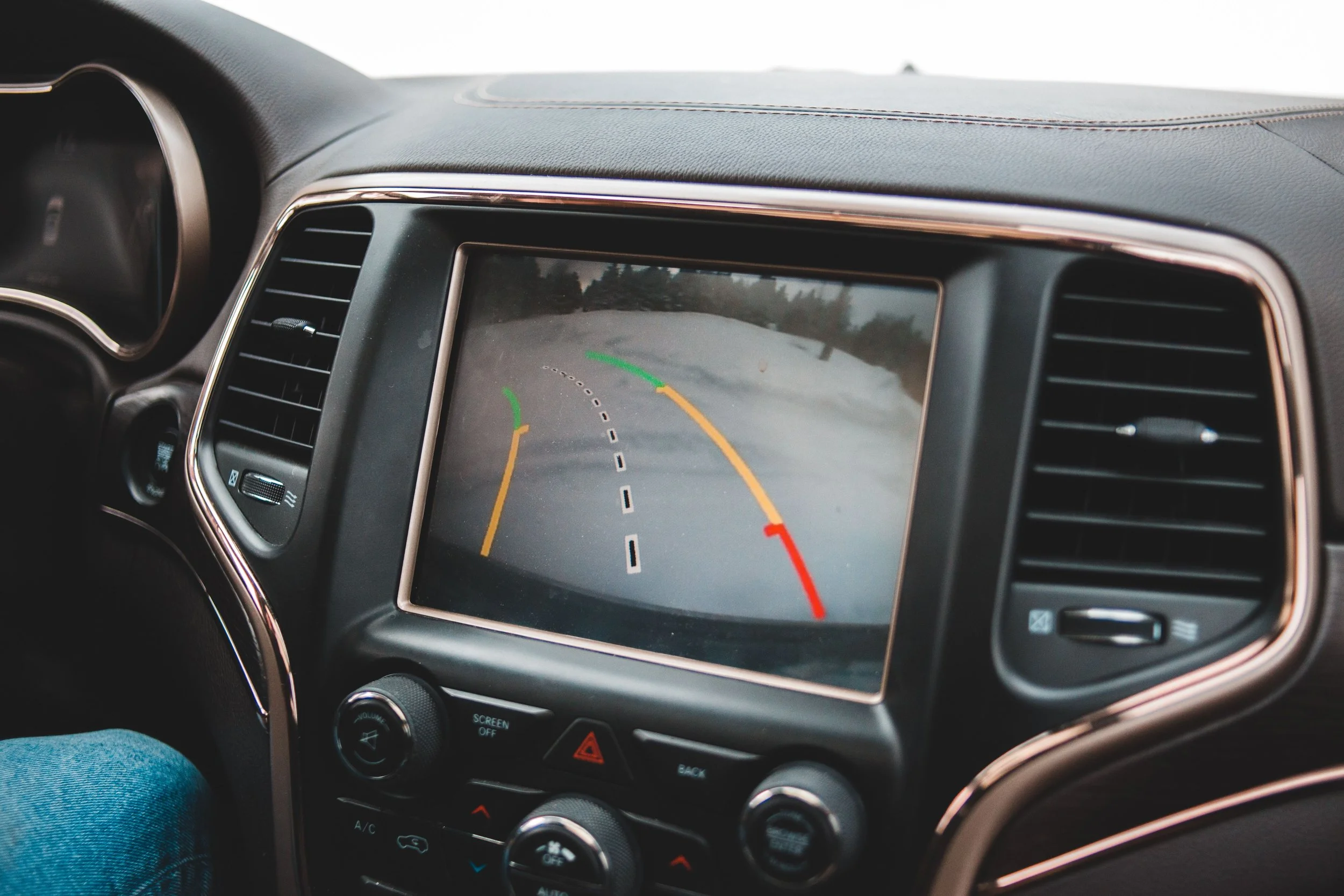
Reversing your vehicle should be straightforward, but backing out of a busy car park, manoeuvring into a narrow driveway or positioning a caravan at a campsite can be challenging. Rear pillars, tinted windows and the size of your vehicle can all limit visibility.
A wireless reverse camera provides an additional view of the area behind your vehicle, helping you judge your surroundings when reversing and parking. For drivers who regularly tow a caravan, operate a ute or drive a larger vehicle, choosing the right camera system can make everyday manoeuvring more convenient.
At BURG Design, we supply PARKSAFE reversing cameras, monitors and vehicle safety accessories for a range of applications. With a trading history of more than 50 years, we can help Australian motorists explore camera solutions suited to their vehicles and requirements.
Here are the main benefits of a wireless reverse camera, followed by practical advice to help you choose a system that suits your vehicle.
Improve Visibility When Reversing
One of the main reasons to install a reversing camera is to gain a clearer view of the area behind your vehicle.
Mirrors are essential, but they cannot always show every obstacle near the rear bumper. Low walls, bollards, bicycles and other objects may be difficult to see, particularly when reversing a vehicle with limited rear visibility.
A reversing camera provides an additional perspective through a dedicated monitor, helping you identify potential hazards before moving backwards.
It is important to remember that a camera does not replace checking your mirrors, looking around the vehicle or being aware of pedestrians. It is an additional tool to support careful driving.
Make Parking in Tight Spaces Easier
Parking in a narrow driveway or squeezing into a tight shopping centre space can require careful manoeuvring.
A reversing camera helps you see the area behind your vehicle, making it easier to judge your position relative to nearby cars, walls and other obstacles.
Some PARKSAFE camera systems include switchable parking guidelines, providing a visual reference when reversing. Always check the features of the specific system you are considering, as not every camera offers the same functions.
For drivers who regularly park in confined spaces, the additional visibility can make the process more manageable.
Help Reduce the Risk of Reversing Damage
A minor reversing mistake can result in scratched paintwork, a damaged bumper or an expensive repair.
A camera can help you identify obstacles that might otherwise be difficult to see, potentially reducing the likelihood of accidental contact when manoeuvring.
This can be particularly useful around garages, loading areas and unfamiliar parking spaces.
Simplify Installation with a Wireless System
Traditional wired reversing cameras require a video cable between the camera and the monitor. Depending on the vehicle, routing this cable can involve removing interior trim and running wiring through the vehicle.
A wireless reversing camera transmits the video signal to a compatible receiver or monitor without requiring that long video cable.
Wireless does not necessarily mean completely wire-free. The camera and monitor still need suitable power connections, and installation requirements depend on the vehicle and equipment.
Choose a System Suited to Your Vehicle
Not every reversing camera is suitable for every vehicle. The right choice depends on the vehicle's size, electrical system, intended use and the features you need.
BURG Design offers camera and monitor options for cars, caravans, motorhomes and commercial applications.
When comparing systems, consider the following:
Passenger cars and utes: A straightforward camera and monitor combination may be sufficient for everyday reversing.
Caravans and trailers: Consider the distance between the camera and monitor, the transmission range and how the camera will receive power when towing.
Motorhomes and larger recreational vehicles: A multi-camera system may be useful if you need more than one viewing position.
Heavy commercial vehicles: Consider whether you need a dedicated rear-view camera, multiple camera inputs or additional side-view monitoring.
Improve Rear Visibility When Towing a Caravan or Trailer
Reversing a caravan into a campsite can be difficult, even for experienced drivers. The additional length makes it harder to judge distances and see obstacles directly behind the trailer.
A suitable wireless camera system can provide an additional view of the caravan or trailer's surroundings.
Upgrade an Older Vehicle Without Replacing It
You do not need to purchase a newer vehicle to benefit from additional reversing visibility.
An aftermarket reversing camera can be a practical upgrade for a car, ute or other compatible vehicle that does not have a factory-installed system.
Depending on the setup, you may be able to install a dedicated monitor or use a compatible existing display. Compatibility should always be checked before purchasing.
Understand Power Requirements and Wireless Limitations
Before buying a wireless reverse camera, it is worth understanding how the equipment receives power and how the wireless signal works.
Power requirements
Most wireless reversing cameras still require electrical power for the camera and monitor. Depending on the system, the camera may be powered through the reversing light circuit, a suitable vehicle power supply or an appropriate power source on a trailer.
The monitor also needs power. Some systems include a dedicated power connection or socket, while others require a different arrangement.
Wireless signal range
Wireless systems remove the need for a long video cable, but they still depend on a reliable signal between the camera and receiver.
Vehicle construction, distance, interference and physical obstructions can affect performance. This is particularly important when towing a long caravan or operating a large commercial vehicle.
Wireless versus wired
A wireless system can simplify installation by removing the long video cable. A wired system may be preferable when consistent signal transmission is a priority or when the vehicle's size and layout make wireless transmission less suitable.
Neither option is automatically best for every vehicle. Your installation requirements, budget and intended use should guide the decision.
Select Useful Features Rather Than Paying for Extras You Don't Need
The best reversing camera is not necessarily the one with the most features. It is the one that suits your vehicle and provides the functions you will actually use.
When comparing PARKSAFE camera systems, consider:
Screen size: Choose a monitor that is easy to view from your normal driving position.
Camera image quality: Check the resolution and low-light performance.
Night vision: Infrared cameras can help provide visibility in low-light conditions.
Camera inputs: If you need more than one view, check the number of compatible cameras supported and how many are included.
Parking guidelines: Confirm whether guidelines are included and whether they can be switched on or off.
Recording: If recording is important, check that the selected system specifically supports it.
Weather resistance: For externally mounted cameras, check the relevant ingress protection rating and suitability for the installation.
Electrical compatibility: Check the specified voltage range, power connections and installation instructions for both camera and monitor.
Installation and compatibility: Check mounting requirements and whether your camera, receiver and display work together. Consider professional installation if you are unfamiliar with automotive wiring.
How to Choose the Right PARKSAFE Wireless Reverse Camera
Start by identifying the vehicle you want to equip and the main problem you want to solve.
For a passenger car or ute, a straightforward camera and monitor combination may be suitable. For a caravan or trailer, transmission range and camera power become more important. Larger commercial vehicles may benefit from multi-camera monitoring or dedicated side-view equipment.
Here are two PARKSAFE wireless options to explore:
PARKSAFE 9-inch Wireless AHD Camera System — SKU 26-101
A wireless package with a 9-inch monitor and one low-light HD infrared camera with switchable guidelines. Additional cameras are available separately.
View the 9-inch wireless camera system.
PARKSAFE 7-inch Wireless Camera and Monitor System — SKU 26-093V2
A 7-inch wireless AHD monitor system with SD recording, one infrared camera included and support for up to four cameras. Additional cameras are available separately.
View the 7-inch wireless camera system.
Related Commercial Safety Solutions
For commercial vehicles that also need side-view monitoring, PARKSAFE offers the 26-123HD system with a 12.3-inch monitor and a side-mounted infrared camera with two adjustable lenses. This is a separate type of visibility solution; it should not be treated as a wireless reversing camera package.
View the commercial side-view monitoring system.
Frequently Asked Questions About Wireless Reverse Cameras
Are wireless reverse cameras worth installing?
For many drivers, a wireless reverse camera is a useful upgrade because it provides an additional view when reversing. It can be particularly helpful in vehicles with restricted rear visibility, provided the selected system is suitable for the application.
Do wireless reversing cameras need the internet?
Most dedicated wireless reversing camera systems transmit video directly between the camera and receiver. They generally do not require an internet connection or mobile data to display the camera feed.
Is a wireless reversing camera completely wireless?
Not usually. Wireless refers primarily to the video transmission. The camera and monitor still require suitable power connections, although the exact installation varies by product.
Can I install a wireless reversing camera myself?
Some systems are designed for straightforward installation. However, fitting a camera may involve mounting, waterproofing and vehicle electrical connections. Professional installation is worth considering if you are unfamiliar with automotive wiring.
Can I use a wireless reversing camera on a caravan?
Yes, provided the selected system is suitable for the caravan and towing arrangement. Check the transmission range, power requirements and compatibility of the camera and monitor. Some setups may benefit from a wired system instead.
Do wireless reversing cameras work at night?
Some models include infrared or low-light cameras. Performance depends on the individual camera's specifications and the surrounding conditions, so check the product details before purchasing.
Are wireless reversing cameras better than wired systems?
Neither is automatically better. Wireless systems can simplify installation, while wired systems avoid relying on a wireless video link. The best option depends on your vehicle, installation requirements and intended use.
Will a wireless reversing camera work with my existing screen?
Not necessarily. Some systems include a dedicated monitor, while other cameras require a compatible receiver or display. Check the connections, video format and manufacturer specifications before purchasing.
Find the Right PARKSAFE Camera System at BURG Design
A reversing camera can be a practical addition to your vehicle, but choosing the right system is essential.
Whether you need a wireless reverse camera for your car, a multi-camera setup for your caravan or additional side-view monitoring for a commercial vehicle, BURG Design offers a range of PARKSAFE camera and monitor solutions to explore.
With a trading history of more than 50 years, our team can help you identify the products and specifications that best suit your requirements.
Explore our PARKSAFE reversing camera and monitor range, or call 03 9555 9277 for help choosing a system for your vehicle, caravan or fleet. You can also email sales@burgdesign.com.au. Browse the range.