
Wired vs Wireless Reversing Cameras: Which Is Better?
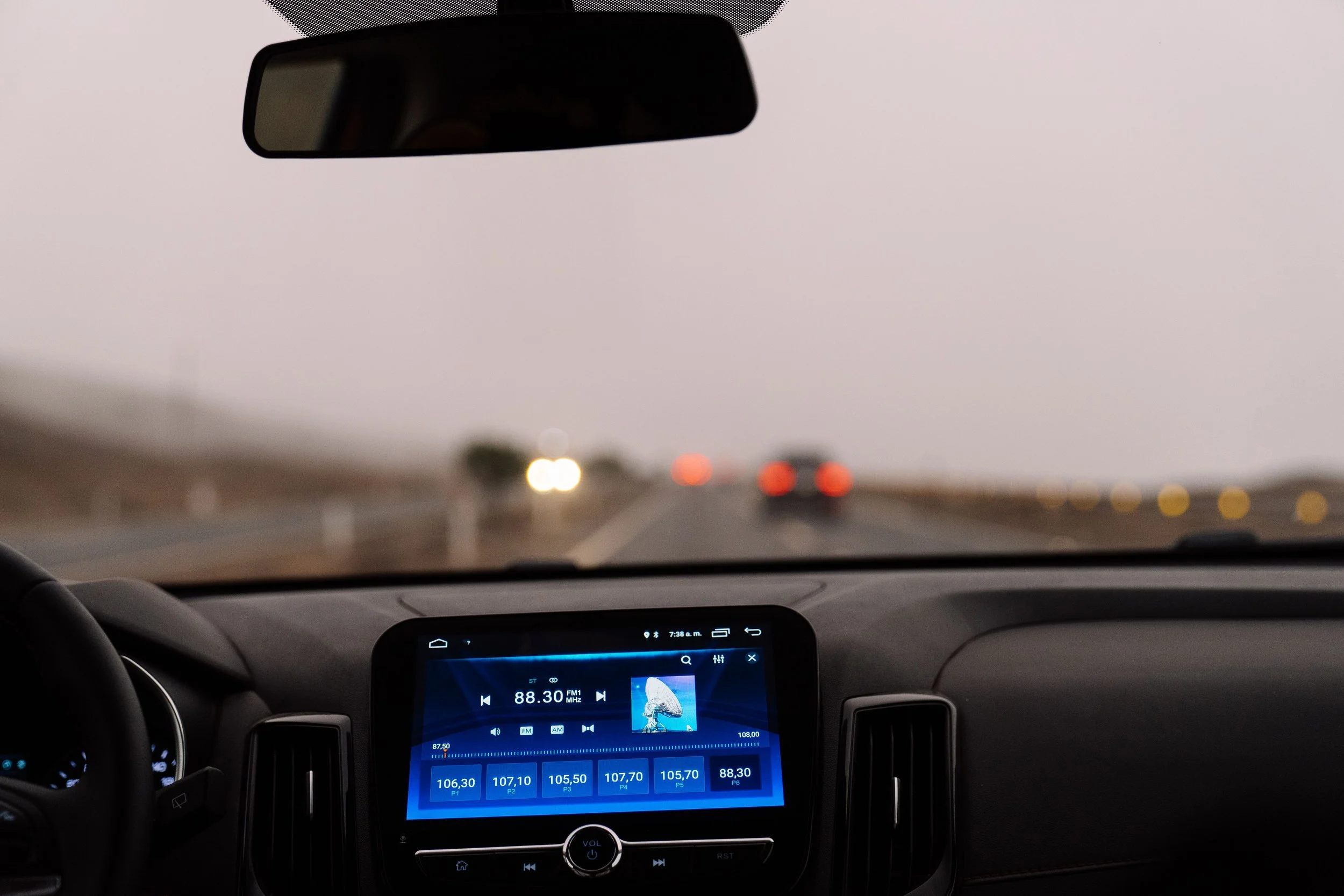
Choosing between a wired and wireless reversing camera comes down to your vehicle, how you use it and how you want the system installed. Both options can provide a clear view behind your vehicle, but they differ in installation, signal transmission and flexibility.
For cars and work vehicles, a wired system can be a practical permanent solution. For caravans and trailers, wireless can reduce the need for long video-cable runs.
Here's how to compare the options and choose the right reversing camera for your setup.
What Is a Wired Reversing Camera?
A wired reversing camera uses a physical cable to transmit video from the camera at the rear of the vehicle to a monitor or compatible display at the front.
The camera is typically mounted near the number plate, tailgate or another suitable rear position. The cable is then routed through the vehicle to connect to the monitor.
A wired connection can provide consistent video transmission without relying on a wireless signal. Once installed, the system can remain permanently connected and ready for use.
The main consideration is installation. Routing and concealing the cable can take time, particularly in larger vehicles such as vans, motorhomes, trucks and caravans.
What Is a Wireless Reversing Camera?
A wireless reversing camera transmits its video signal to the monitor without requiring a video cable to run between the front and rear of the vehicle.
However, wireless doesn't necessarily mean completely wire-free. The camera and monitor still require suitable power sources, and the equipment needs to be mounted securely.
For a caravan or trailer, the camera may be powered from an appropriate electrical supply on the trailer, while the monitor is powered in the towing vehicle. The exact arrangement depends on the system.
Wireless technology can simplify installations where running a long video cable would be inconvenient. Performance still depends on the equipment, distance, vehicle construction and installation.
Wired vs Wireless Reversing Cameras: Key Differences
Installation
A wired reversing camera generally requires more installation work because the video cable must be routed between the camera and monitor. This can involve working around interior trim, passing cables through suitable openings and protecting the wiring from damage.
A wireless system usually reduces this work by removing the need for a long video-cable run. This can be particularly useful when installing a camera on a caravan or trailer.
Both options still require suitable mounting, power connections and compatibility checks. Wireless usually reduces video-cable installation, particularly on caravans and trailers, but it doesn't eliminate all wiring.
Reliability and Signal Stability
A wired camera transmits video through a physical connection, so its signal isn't affected by wireless transmission distance or radio-frequency interference.
This makes wired systems a popular option where consistent video transmission is a priority.
Wireless systems can also perform well, but the signal may be affected by distance, obstructions, vehicle construction and the positioning of the camera and receiver. Large amounts of metal between components can be particularly relevant.
For a wireless installation, check the manufacturer's specifications and test the system in the intended configuration, rather than assuming it will perform identically in every vehicle.
Which should you choose? Wired is often preferred for consistent video transmission. A quality wireless system can be a suitable alternative when its specifications match the vehicle and application.
Picture Quality and Image Delay
Picture quality isn't determined solely by whether a camera is wired or wireless.
Important factors include camera resolution, sensor quality, lens design, viewing angle, monitor resolution and low-light performance. A high-quality wireless camera can produce a better image than a lower-quality wired system.
Image delay can also vary between products. A direct wired connection can offer minimal latency, while wireless systems may introduce some delay during transmission.
When comparing systems, look at the complete specifications rather than relying on labels such as “HD” alone. Consider how clearly the camera displays obstacles, how it performs in low light and whether the monitor provides the view you need.
Which Reversing Camera Is Best for Your Vehicle?
The most suitable option depends on the vehicle's size, the installation requirements and how the camera will be used.
Cars and SUVs
For a passenger car or SUV, a wired reversing camera can be a practical choice for a permanent installation. The relatively short distance between the camera and monitor can make cable routing manageable.
A wireless system may be worth considering if routing new video cabling is difficult or if you prefer a system with a separate monitor.
For vehicles that already have a factory display, check whether it supports the camera's video format and connection requirements before purchasing.
Utes and Vans
Both wired and wireless systems can suit utes and vans. A wired installation may be preferable for a permanent setup where consistent video transmission is important, while wireless can reduce installation complexity when routing a cable is difficult.
Commercial vehicles may have substantial rear blind spots, so consider the camera's viewing angle, mounting position, low-light performance and the size and placement of the monitor.
Also check the system's intended application and operating voltage. Don't assume that a camera designed for a passenger car will be suitable for every commercial vehicle.
Caravans and Trailers
Caravans and trailers are where wireless reversing cameras can offer a particularly useful installation advantage.
A wired setup may require a cable connection between the trailer and towing vehicle. This can involve additional wiring, suitable connectors and a connection arrangement that accommodates hitching and unhitching.
A wireless system can remove the need for that full-length video connection, although the camera still needs an appropriate power supply.
Wireless performance should be checked with the caravan or trailer attached to the towing vehicle. The distance and metal construction of the combination can affect signal transmission, so confirm the system is suitable for the intended setup.
Wired systems remain an option when a physical video connection is preferred and the additional installation work is acceptable.
Motorhomes and Larger Commercial Vehicles
Larger vehicles may benefit from a camera system that provides more than one rear or side view. Depending on the vehicle, multiple cameras can help the driver monitor different areas around the vehicle.
A wireless system with multiple camera inputs may be convenient where installing several video cables would be difficult. However, the number of supported cameras, operating voltage, environmental ratings and intended application must be checked for the specific model.
For demanding commercial applications, choose a system designed for the vehicle and working conditions rather than relying on connection type alone.
Wired vs Wireless Reversing Cameras at a Glance
Feature
Wired camera
Wireless camera
Installation
Requires video-cable routing
Usually less video-cable installation
Cable between camera and monitor
Required
Not required
Signal transmission
Physical connection
Wireless transmission
Interference considerations
No wireless video interference
Performance depends on the system and installation
Image delay
Can be minimal
Varies by model
Permanent installation
Well suited
Well suited when correctly configured
Cars and SUVs
Often a practical choice
Useful when cabling is difficult
Utes and vans
Suitable for permanent installations
Can simplify installation
Caravans and trailers
Requires a suitable cable arrangement
Can reduce cabling between towing vehicle and trailer
Multiple camera views
Depends on monitor and system
Depends on monitor and system
Neither option is automatically better for every vehicle. The best choice depends on the installation, required camera views and specifications of the complete system.
What to Check Before Buying a Reversing Camera
Before choosing a system, consider how you need it to operate and how it will connect to your vehicle.
Will the camera operate only in reverse or provide a continuous rear view?
Some installations activate the camera when reverse gear is selected, while others can provide a continuous rear view or allow the driver to select different camera inputs.
The intended operation depends on the camera, monitor, power supply and wiring configuration. If you want a continuous rear view while towing, confirm that the system supports this arrangement and can be powered appropriately.
How should wireless performance be checked with a caravan or trailer attached?
Check the manufacturer's guidance on operating range and intended applications. Where possible, test the camera and monitor with the actual towing vehicle and trailer connected, including in the positions where the system will normally be used.
Pay attention to image stability, interruptions and delay. A system that works well during a short test beside a vehicle may behave differently when installed on a longer combination.
Is the monitor compatible with the camera?
Check the camera's video format, connector type, resolution requirements and operating voltage against the monitor's specifications.
For wired systems, also confirm that the supplied cable is long enough for the installation. For wireless systems, check that the camera and receiver are designed to work together.
Not every camera will work with every monitor or factory display, even when the products appear similar.
What happens when a wired trailer is unhitched?
A wired trailer installation needs a suitable connection between the towing vehicle and trailer. This connection must be easy to disconnect when unhitching and protected from damage during normal use.
Check the required cable, connectors and routing for the particular setup. For installations that need flexibility while turning, a suitable trailer cable arrangement may be required.
PARKSAFE Reversing Camera Systems from Burg Design
Burg Design offers a range of PARKSAFE reversing cameras, monitors, wired kits, wireless systems and accessories. The right option depends on your vehicle, installation requirements and the views you need.
Here are two examples to help you start comparing the available systems.
Wired example: PARKSAFE 7-inch Monitor and Camera System (26-044)
PARKSAFE 7-inch Monitor and Camera System includes a 7-inch monitor, heavy-duty infrared camera, adjustable camera mounting bracket and 10-metre, 4-pin camera extension cable.
The
The monitor has dual AV inputs and supports PAL/NTSC video. The system operates on DC 12–24V.
This is an example to consider if you want a wired camera and monitor combination. Check the supplied cable length, installation requirements and compatibility with your vehicle before ordering.
Wireless example: PARKSAFE 7-inch Wireless AHD Camera and Monitor System (26-093V2)
PARKSAFE 7-inch Wireless AHD Camera and Monitor System includes a 7-inch monitor with SD recording and one camera. The system supports up to four camera inputs, allowing additional camera views where compatible cameras are used.
The product listing specifies a DC 10–32V operating range and describes applications including caravans, trailers, motorhomes and trucks. The camera requires a suitable power source, such as an appropriate supply on the trailer.
This is an option to investigate if you want to avoid running a video cable between the towing vehicle and trailer. Confirm the intended application, power arrangements, camera requirements and current product specifications before purchasing.
You can also browse the full PARKSAFE reversing camera and monitor range to compare cameras, monitors, accessories and other available systems.
Choose the Right Reversing Camera for Your Setup
The best reversing camera is the one that suits your vehicle, provides the view you need and can be installed and operated reliably.
A wired system is often preferred when a physical video connection and consistent transmission are priorities. A wireless system can make installation easier when long video-cable runs are inconvenient, particularly for caravans and trailers.
Before purchasing, confirm the camera's intended application, monitor compatibility, power requirements and installation arrangements. If you're unsure which system is suitable, contact Burg Design for guidance before ordering.
Explore the PARKSAFE camera and monitor range to compare available systems and find an option suited to your vehicle.