
Best Reversing Camera Setup for Caravans and Trailers
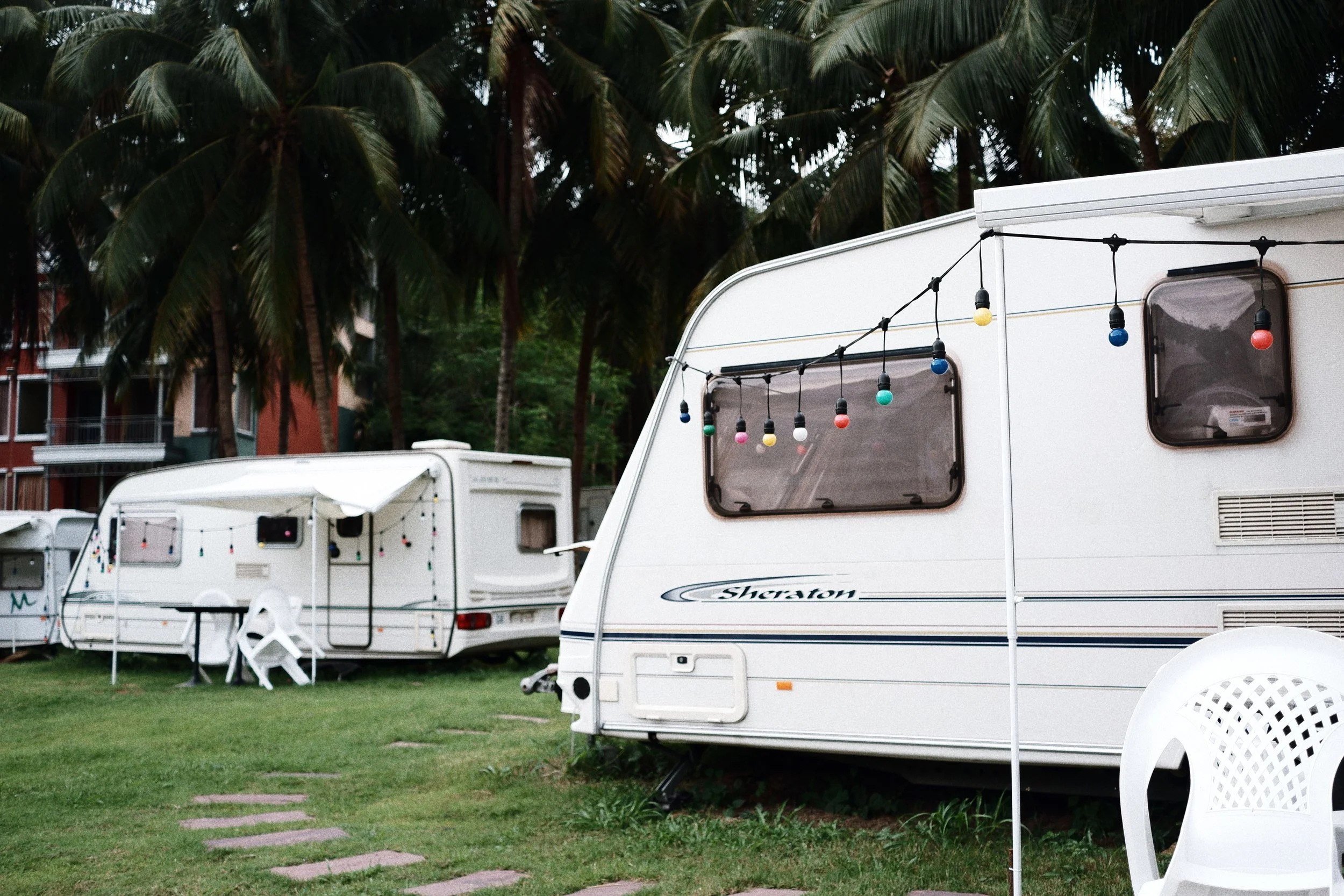
Towing a caravan or trailer changes what you can see from the driver’s seat. Even with properly adjusted towing mirrors, the size and position of a caravan can create a substantial blind area directly behind the rig. This becomes particularly noticeable when reversing into a campsite, navigating a narrow driveway or trying to keep track of traffic behind you on the highway.
A well-designed caravan rear view camera setup can provide the extra visibility needed to make these situations easier to manage. But getting good results involves more than simply attaching a camera to the back of the caravan.
Camera position, viewing angle, monitor size, wired versus wireless transmission and how the camera is powered can all affect how useful the system is.
This guide explains how to choose the best reversing camera setup for a caravan or trailer and what Australian drivers should consider before installation.
Why Install a Caravan Rear View Camera?
When towing, your mirrors remain an essential part of maintaining awareness around the vehicle. However, mirrors cannot always provide a clear view directly behind a wide or long caravan.
A rear camera adds another perspective.
Depending on the way the system is wired, a camera can help you:
See obstacles behind the caravan while reversing
Position a caravan more accurately at campsites
Monitor vehicles approaching from behind
Check traffic before changing lanes
See low objects that may be difficult to spot in mirrors
Reduce reliance on a passenger or spotter during some manoeuvres
Monitor bikes, trailers or equipment carried at the rear
The important distinction is between a reversing camera and a continuous rear-view camera.
A reversing camera normally activates when reverse gear is selected. A continuous rear-view system can remain operating while you drive, effectively providing an additional rear-facing view during towing.
For many caravan owners, the second arrangement provides the greatest versatility.
Where Should a Caravan Rear View Camera Be Mounted?
Camera placement has a major influence on what you see on the monitor.
For a typical caravan, a camera mounted high and close to the centreline of the rear wall is an effective starting point.
A high mounting position gives the camera a broader perspective over the area behind the caravan. Mounting it centrally also creates a more natural image because the camera view aligns more closely with the caravan itself.
The camera should normally be angled slightly downward so you can see enough of the road or ground immediately behind the caravan while still retaining useful visibility further into the distance.
Exactly how far downward it should point depends on its intended purpose.
Camera Placement for Reversing
If the camera is primarily intended for reversing, angle it so the lower portion of the image shows the area close to the rear of the caravan.
This can make it easier to judge your proximity to:
Bollards
Fences
Trees
Campsite infrastructure
Parked vehicles
Walls and garages
Other low obstacles
Avoid pointing the camera so far down that almost the entire screen shows the ground. You still need enough depth in the picture to understand where the caravan is heading.
Camera Placement for Rear Viewing While Towing
If you want continuous rear vision on the highway, a slightly higher viewing angle is generally preferable.
The objective is to see traffic behind the caravan rather than primarily the ground immediately below the rear bumper.
This arrangement can supplement your towing mirrors when assessing surrounding traffic.
Consider a Dual-Camera Setup
Another option is to install two rear-facing cameras.
One can point downward for close-range reversing, while the second provides a longer-distance view for normal driving.
A multi-channel monitor can then allow the driver to select between camera views.
This can be particularly useful for large caravans, motorhomes, horse floats and commercial trailers.
Wired vs Wireless Caravan Reversing Cameras
One of the biggest decisions when choosing a caravan rear view camera is whether to use a wired or wireless system.
Neither option is automatically best for every towing setup.
Wired Camera Systems
A wired system uses a physical cable to carry the camera signal from the rear of the caravan to the tow vehicle and monitor.
The biggest advantage is signal consistency.
A quality wired connection isn't dependent on transmitting a video signal wirelessly through or around a long caravan. This can make wired cameras particularly attractive for larger caravans, commercial trailers and towing setups where reliable continuous video is a priority.
The trade-off is installation.
Cabling has to be routed safely along or through the caravan, with an appropriate connection between the trailer and tow vehicle.
For a permanent touring setup, however, the additional installation work can be worthwhile.
Wireless Caravan Camera Systems
Wireless systems transmit the video signal from the caravan camera to the receiver or monitor in the tow vehicle.
This reduces the need to run a video cable all the way between the rear camera and the dashboard.
It is important to understand that wireless does not necessarily mean wire-free.
The camera usually still requires power. Depending on the system and installation, this might come from the caravan's lighting circuit or another suitable power source.
Modern digital wireless systems can offer excellent picture quality and are particularly convenient for retrofitting a camera to an existing caravan or trailer.
Signal performance should nevertheless be considered carefully.
The length of the rig, metal construction, antenna placement and electrical or radio interference can potentially affect wireless performance. Testing the system with the caravan connected to the tow vehicle is therefore important before finalising the installation.
Should the Camera Operate Only in Reverse?
Not necessarily.
If the camera receives power from the reversing-light circuit, it will generally operate when the tow vehicle is put into reverse.
That's useful for parking, but it means you lose the rear view once you're driving forward.
For a caravan, many owners prefer an always-on or switchable rear-view configuration.
When appropriately installed and powered, the camera can remain available while towing, giving you a live picture of the road behind the caravan.
This can be useful on highways where vehicles may disappear from your side mirrors as they move directly behind the caravan.
The camera should still be treated as an additional visibility aid rather than a replacement for towing mirrors, head checks and normal safe-driving practices.
Choosing the Right Monitor
The camera is only half of the system. The monitor determines how easily you can interpret what the camera sees.
A screen that is too small may make obstacles difficult to identify quickly. A monitor that is unnecessarily large, on the other hand, can take up valuable dashboard or windscreen space.
For caravan towing, common options include:
5-Inch Monitors
A compact monitor can work well where dashboard space is limited or where the camera is mainly used for reversing.
It provides useful visibility without dominating the driver's field of view.
7-Inch Monitors
A 7-inch display is a popular middle ground for caravan and trailer applications.
It provides a larger image for viewing traffic and obstacles while remaining relatively easy to position inside many tow vehicles.
For multi-camera systems, the extra screen area can also make split-screen viewing more practical.
9-Inch and Larger Monitors
Larger monitors can be helpful for heavy-duty towing, commercial vehicles and systems displaying several cameras simultaneously.
They provide more image area but require careful mounting so they do not obstruct the driver's normal view.
Mirror Monitors
Another option is a monitor integrated into, or mounted over, the rear-view mirror.
Because a conventional interior mirror often provides limited usefulness when a large caravan is directly behind the vehicle, this location can feel natural for displaying the rear camera.
Drivers can glance towards the same area they would normally use for an interior rear-view mirror.
What Camera Features Should You Look For?
Image quality matters, but resolution isn't the only specification worth considering.
Wide Viewing Angle
A wide-angle camera helps cover more of the area behind a caravan.
However, extremely wide lenses can introduce distortion, making objects appear farther away than they really are. The goal is a sufficiently broad view without making distance judgement unnecessarily difficult.
Night Vision
Caravan trips don't always finish before sunset.
A camera designed for low-light conditions, including models using infrared illumination, can improve visibility when reversing after dark.
Weather Resistance
A caravan camera lives in a demanding environment.
It may encounter rain, dust, mud, road grime, vibration and temperature changes. Look for a camera designed specifically for exterior automotive, caravan or heavy-duty use rather than adapting an indoor camera.
Adjustable Mounting
Being able to change the camera angle after installation is extremely useful.
Even a small adjustment can substantially change how much of the road, bumper or horizon appears on the monitor.
Multiple Camera Inputs
A monitor with multiple channels gives you the option of expanding the system later.
For example, you could add cameras covering:
The rear of the caravan
Left and right sides
The towbar or hitch
A boat trailer
Rear-mounted equipment
This flexibility can be valuable for larger towing combinations.
How to Improve Visibility When Towing
Installing a camera doesn't automatically guarantee a perfect view.
Take time to adjust the system after installation.
Park the caravan somewhere safe and place easily visible objects at different distances behind it. Sit in the driver's seat and compare what you see on the monitor with their actual positions.
This will help you learn how distances appear through the camera lens.
Also check the camera orientation. A mirrored rear image may feel more intuitive because it behaves similarly to a conventional rear-view mirror.
Keep the camera lens clean as well. Dust, insects, rain spots and road grime can quickly reduce image clarity, particularly when driving at night.
If you're using a wireless system, test it under real towing conditions rather than only testing the camera while the vehicle is parked beside the caravan.
What Is the Best Setup for Most Caravans?
There isn't one universal configuration, but a practical setup for many touring caravans consists of:
A high-mounted central rear camera + a 7-inch monitor + continuous rear-view operation.
From there, choose wired or wireless transmission according to the caravan and how you use it.
For longer caravans or applications where maximum signal consistency is the priority, a quality wired system can be an excellent choice.
For owners wanting easier installation without running a video cable between the caravan and tow vehicle, a quality digital wireless system can be a convenient alternative.
Frequent travellers and owners of larger caravans may benefit from a dual-camera or multi-camera setup that combines close reversing visibility with a broader road view.
Caravan Rear View Camera Systems from Burg Design
Choosing the right system comes down to the vehicle, caravan length, installation requirements and the type of visibility you want.
Burg Design offers PARKSAFE cameras, monitors and camera systems suitable for cars, caravans, motorhomes, trailers and commercial vehicles, including wired and wireless configurations.
Options include wireless AHD systems, standalone monitors, infrared cameras, multi-camera systems and heavy-duty cameras designed for demanding vehicle applications.
Rather than selecting a camera based only on screen size or price, consider the complete towing combination. Think about where the camera will be installed, whether you want continuous rear vision, the number of cameras you may eventually require and whether wired or wireless transmission best suits the rig.
A properly selected and positioned caravan rear view camera can provide a much clearer picture of what's happening behind your caravan and make reversing and general towing easier to manage.